Identifying ergonomic risk in the workplace is the first step in reducing injuries, improving productivity, and supporting employee well-being. Too often, organizations wait until someone gets hurt before acting, or don’t do enough to prevent repeat problems. Proactive risk management prevents discomfort from becoming serious recordable injuries.
This article covers the three main ways to identify ergonomic risk:

1. Ergonomic Assessments
Identifying Risk Through Observation and Analysis
Employees shouldn’t have to handle the many steps involved in creating a safe workplace alone. A safety team can help, but having an ergonomic expert sets your workplace up for long-term success.
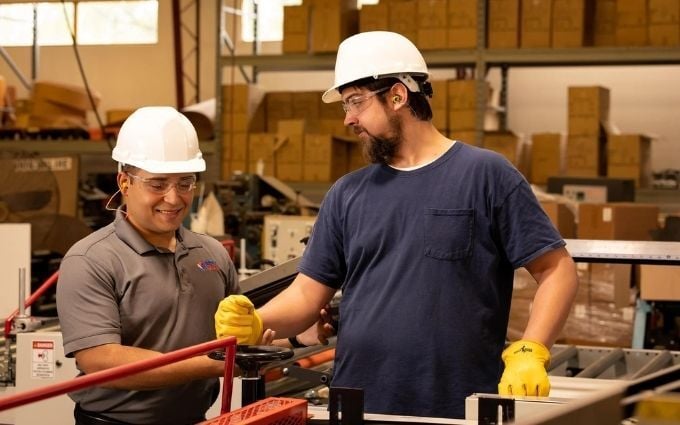
An ergonomic assessment involves reviewing the work environment to identify repetitive motions, awkward postures, excessive force, and work activities that may pose ergonomic risk. It can be done through observation, interviews with workers, and specialized equipment to measure the forces required to perform job tasks.
Ergonomic assessments provide a structured way to evaluate job tasks, workstations, and movement patterns. Assessments should not be a one-time activity. Work environments change, processes evolve, and new risks can emerge over time. Regular evaluations, such as annual or biannual assessments, ensure that ergonomic risks are continuously monitored and addressed.
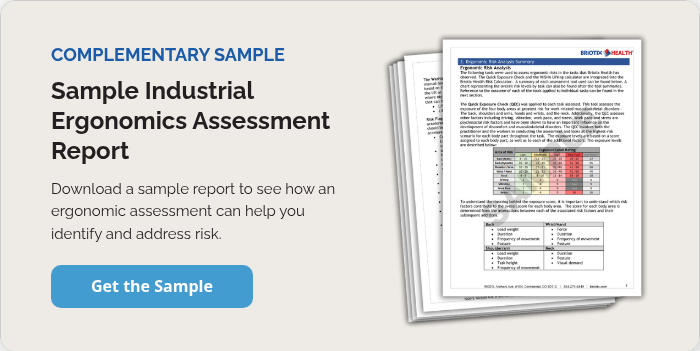
Modern technology, like ergonomic software, enables this work to be standardized and completed faster, finishing assessments and risk analyses in minutes, This way, a Certified Professional Ergonomist can dive right into the next steps with you and your company.
2. Early Reporting Methods
Creating Clear Pathways for Employee Feedback
A strong reporting system is the foundation of any ergonomic risk identification strategy. Employees are often the first to notice ineffective workflows or unsafe conditions, but without a clear and accessible way to report these concerns, valuable insights can be lost.
Organizations should implement simple, easy-to-use reporting methods such as:
-
- Mobile reporting forms
- Clear and documented reporting structures
- Specialized reporting software
- Anonymous reporting options
Reporting should be easy. If it's too complicated, fewer people use it. When reporting systems are used consistently, they can highlight trends, high-risk tasks, and areas in need of intervention.
Early Discomfort Reporting: Addressing Issues Before They Escalate
Early discomfort reporting programs encourage employees to report soreness, fatigue, or strain at the first sign of discomfort. Early reporting changes the mindset from reactive to preventive. Instead of waiting for injuries, organizations can intervene early with minor adjustments such as task rotation or workstation changes.
Programs should include education on musculoskeletal disorders so that employees know the actual risks of discomfort. When handled correctly, early discomfort reporting can significantly reduce injury rates and associated costs.

3. Incident Reviews
Learning from What Has Already Happened
Even with the best prevention, sprain and strain injuries may still happen. When they do, the most important step is to review them in detail to find the real causes, including job design, workload, training, and environment.
A well-conducted review answers critical questions:
-
- Was the task inherently risky?
- Were there warning signs that were missed?
- Could earlier intervention have prevented the issue?
Identifying the real causes enables organizations to make changes to reduce future incidents.
Building a Proactive Ergonomic Strategy
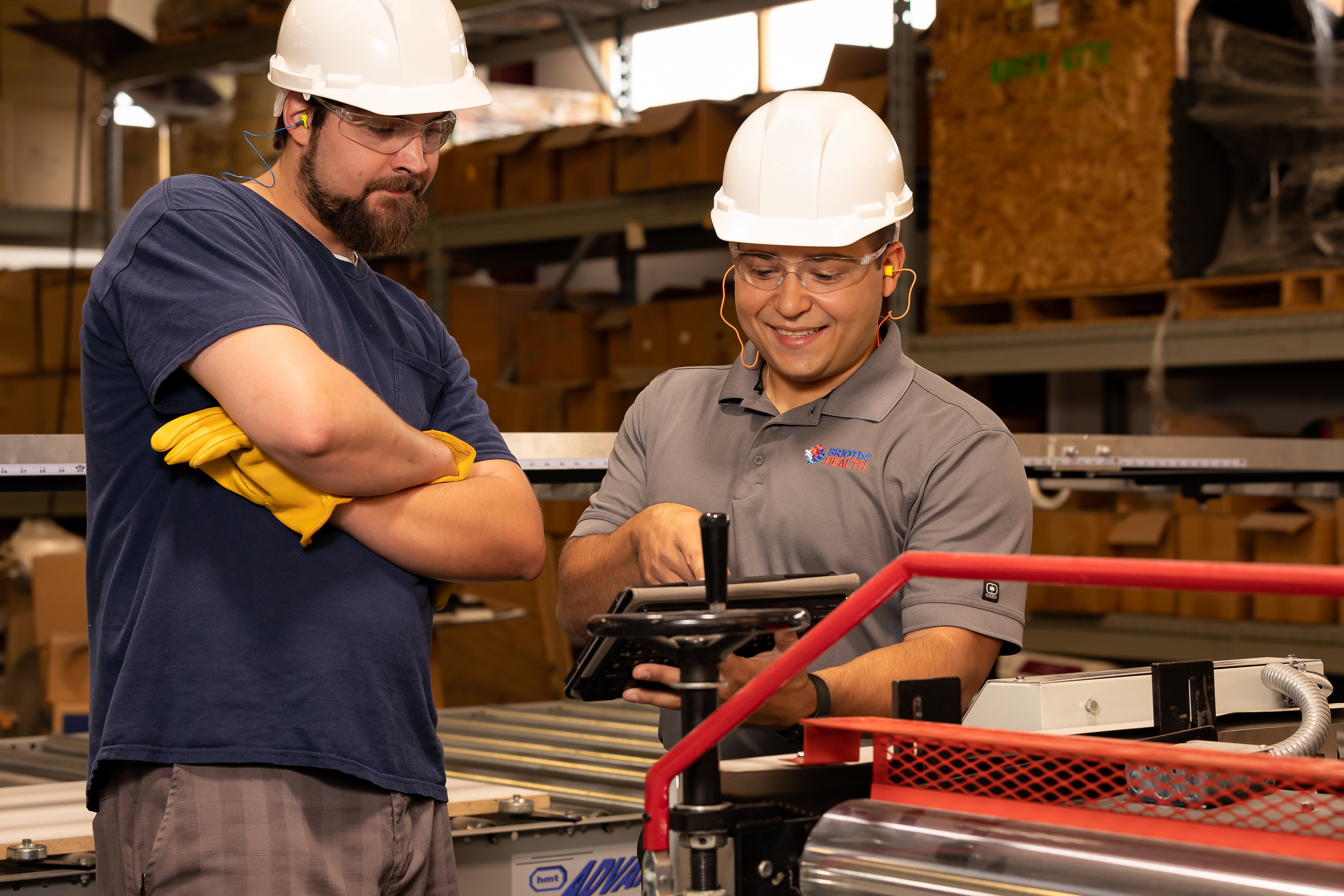
Identifying ergonomic risk is ongoing. By strengthening reporting, encouraging early discomfort reporting, conducting regular ergonomic assessments, and learning from incident reviews, organizations build safer workplaces. This approach reduces injuries, keeps employees working longer, and lowers injury costs.
If you want a partner to build an effective ergonomics strategy tailored to your business, visit our website to learn more about Briotix Health and get started.